Important Art During the Colonial Period in Mexico City
Mexican art should be examined in a broader context of the Latin American art. Information technology's not only well-nigh the same language, traditions or religion shared by almost all Latin American countries, but because of their similar creative influences and tendencies. We could freely say that Mexico has the most recognized art scene of all other Latin American countries. There are several reasons for that, most significant one being the of import names in gimmicky art coming from Mexico (let us simply mention Frida Kahlo or Diego Rivera). Although beingness nether heavy influence of the major European movements, Mexicans did create unique and recognizable styles, such equally Mexican Muralism or The Rupture Movement. Finally, Mexican art did remain heavily European in fashion, but indigenous themes appeared in major works as liberal United mexican states sought to distinguish itself from its Spanish colonial by.
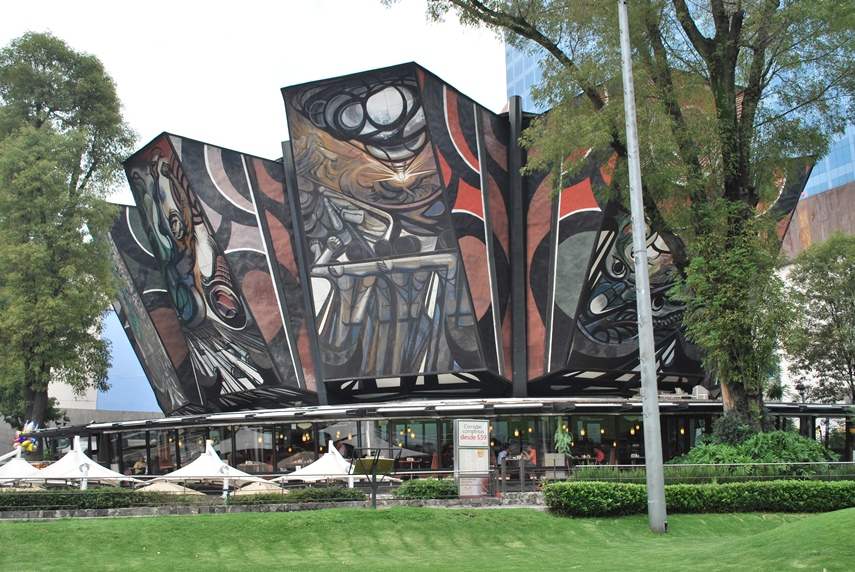
True Mexican Art
Since there has always been a heavy influence of its former colonizers, Mexico has a long history of styles that were created under the influence of major European and American movements. Therefore, we should non be surprised when we encounter some great names of Mexican art whose works belong to Neo-Expressionism, Popular Art, and so on. Nonetheless, from 1930s, many Mexican artists began to use "more traditional" style in their fine art. The term "traditional" should not be understood here as something conservative; in case of post-colonial countries and contexts, using "more than traditional" styles and techniques is actually quite progressive and innovative, because it includes the introduction of never before seen artistic techniques. In case of Mexico, we are usually speaking about the huge heritage of the Aztec and Maya cultures and arts. This "Native" influence tin can be identified in almost every major Mexican art movements of the 20th and 21st Centuries, including also urban and street art.
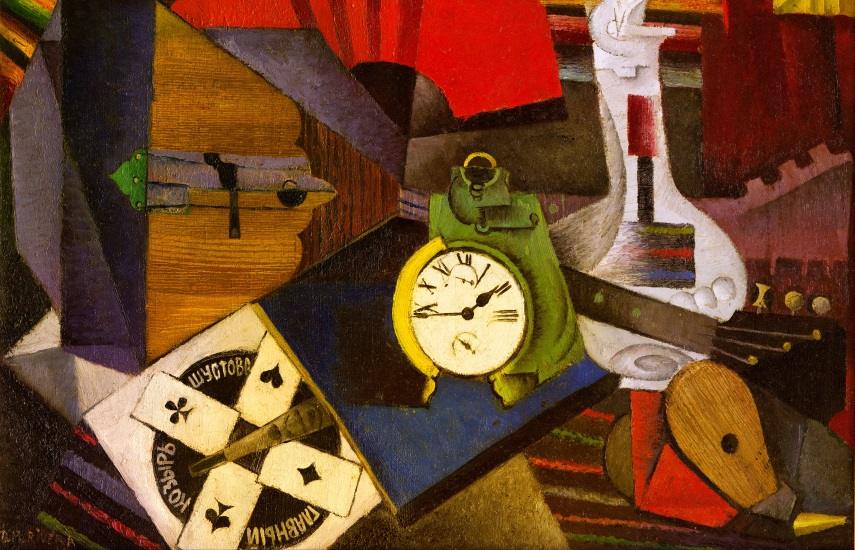
Frida Kahlo, Diego Rivera and Mexican Revolutionary Artists
One of the most famous names of the Mexican art in the 20th Century are Frida Kahlo and Diego Rivera. They are non only famous for their vibrant and Bohemian life; but for beingness members of one of the most significant Mexican gimmicky art movements – Mexican muralism. Mexican muralism was the promotion of landscape painting starting in the 1920s, generally with social and political messages as office of efforts to reunify the country under the post Mexican Revolution regime. It was headed by "the big 3" painters, Diego Rivera, Jose Clemente Orozco and David Alfaro Siqueiros. From the 1920s to about 1970s a large number of murals with nationalistic, social and political messages were created on public buildings, starting a tradition which continues to this 24-hour interval in Mexico and has had touch on in other parts of the Americas, including the United States. Of course, these Masters used other styles and techniques as well (particularly Frida Kahlo), but they definitely left a significant legacy in contemporary Mexican Art.
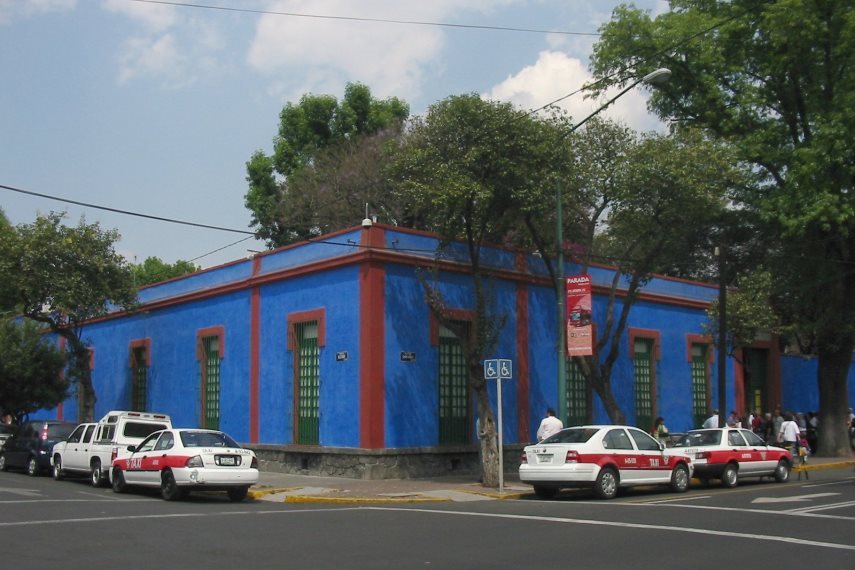
The Rupture Motility and Neomexicanismo
Two very important movements that marked Mexican contemporary art are The Rupture Movement and Neomexicanismo. The Rupture Motion began in the 1950s and 1960s with painters such as Jose Luis Cuevas, Gilberto Navarro, Rafael Coronel, Alfredo Casaneda, and sculptor Juan Soriano. They rejected social realism and nationalism and incorporated surrealism, visual paradoxes, and elements of Old World painting styles. This break meant that later Mexican artists were generally not influenced by muralism or by Mexican folk fine art. On the other hand, Neomexicanismo that appeared in mid-1980s was characterized past mediums such as collage and often parodied and allegorized cultural icons, mass media, religion, and other aspects of Mexican culture. This generation of artists were interested in traditional Mexican values and exploring their roots - oft questioning or subverting them.
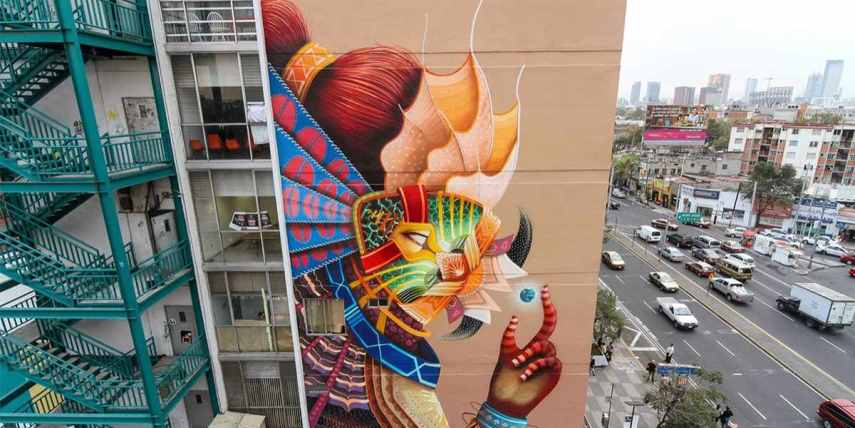
Mexican Urban Art
Mexican urban and street art has been under large influence of the Mexican muralist movement and Mexican Folk Fine art. Of grade, Mexican street and urban artists are not only influenced past these styles, but it's something what makes Mexican urban fine art quite unique. Some of the most recognized Mexican street and urban artists today are: CHema Skandal, Farid Rueda, Pablo Delgado, Curiot and many more. But, when we speak about Mexican urban and street art, it is of import to mention that within this motion we tin run across reflections of the near of import Mexican fine art tendencies in the concluding 100 years – a tendency for emancipation and liberation from the dominant European ("in the role of a colonizer") fine art movements.


When you hear the term „Mexican art", the beginning artists that comes to your mind are probably Frida Kahlo or Diego Rivera. Only, the Meixan fine art is truly rich, including the gimmicky art practices likewise. The book we recommend explores this Mexican tradition — the artists, their works, the social and political background, and the relationship of the modern painters to European and Mexican historical tradition. Helm, an of import collector who knew most of the artists, writes informally yet with deep agreement nearly the major figures — Orozco, Rivera, and Siqueiros — every bit well as over 40 others little known outside their native Mexico. He writes well-nigh Rivera's strong political beliefs and their effect on his work, and continues with other artists.
Featured Images: Mural by Diego Rivera showing the pre-Columbian Aztec city of Tenochtitlán; Landscape by Jorge González Camarena at the Palacio de Bellas Artes. All images used for illustrative purposes merely.
Source: https://www.widewalls.ch/magazine/mexican-art
0 Response to "Important Art During the Colonial Period in Mexico City"
Post a Comment